Next-Gen Quality Management. Built for Compliance. Powered by AI.

How Product Realization Works Under ISO 13485

Medical device quality issues do not end when a product reaches the market. Every year, the FDA receives over two million medical device reports of suspected device-associated deaths, serious injuries, and malfunctions.
For medical device manufacturers, that underscores why you can't inspect quality into a finished product. It must be built into how the product is planned, designed, sourced, manufactured, verified, delivered, and supported.
That is the purpose of product realization under ISO 13485. Clause 7 establishes the controls organizations need to translate product, customer, and regulatory requirements into consistently conforming medical devices throughout the realization process.
What is Product Realization?
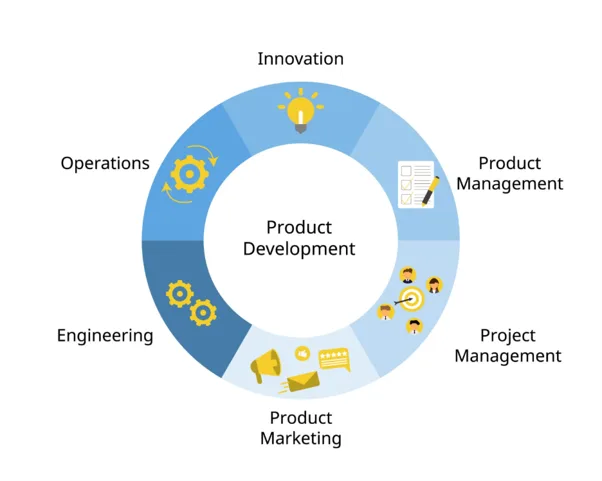
Product realization refers to all the processes in the life of a product, from its inception all the way to the realization of the product. The concept is comprehensive, covering all steps of design, development/ manufacturing, packaging/ shipping, and subsequent use. According to ISO 13485:2016 standards, product realization for medical devices stands as an obligatory QMS requirement.
If applied correctly, product realization lets companies understand what a product should look like and what characteristics it should have. By implementing quality standards, the management gets to know if the process was performed correctly. One of the key principles of product realization is the respect for customers’ wishes that must be taken into account when developing a product.
What are ISO 13485 Product Realization Requirements under Clause 7?
ISO 13485 Clause 7 summarizes compulsory requirements for Product Realization, covering the lifespan of a medical device from preliminary preparation to final delivery and service. The clause is divided into the following key sub clauses:
7.1 Planning of Product Realization
The process of developing a product consists of the stages of planning and implementation. The organization has to create a proper methodology, taking into account the requirements of the QMS. Necessary documentation must be in place, including documents related to the risk management process.
7.2 Customer-related processes
The requirements stated in ISO 13485:2016 imply that the organization should properly satisfy all the requirements of the customers. These requirements could either be directly stated by the customers or considered indispensable for the planned use of the product.
7.3 Design and Development
The organization is obliged to have a complete record of all the proceedings connected to product design and production. The organization must monitor the processes of developing and producing its products and comply with the procedures of documentation. The organization also has to ensure that the products are well documented for all surgical devices.
7.4 Purchasing
The procurement procedure must ensure compliance with the ISO 13485 criteria. Organizations must check whether their suppliers are complying with the standards and provide products according to ISO standards and other necessary requirements. It is essential for organizations to keep detailed information about the goods procured, the verification of all products received, and the date of material acceptance.
7.5 Control of monitoring and measuring equipment
Organizations must not only monitor the quality of their products but also select the right tools for performing the task. They must ensure that their equipment is properly maintained and calibrated.
7.6 Control of Monitoring and Measuring Equipment
Organizations must determine the monitoring and measurement activities, and the equipment needed to provide evidence that products meet specified requirements. Where necessary to ensure valid results, organizations must appropriately control measuring equipment, including calibration or verification, identification of calibration status, protection from improper adjustment or damage, and maintenance of relevant records.
Together, these requirements establish a controlled path from product planning and design through purchasing, manufacturing, verification, delivery, and related service activities.
How to Plan Product Realization According to ISO 13485 Requirements?
To ideate product realization as per ISO 13485 (Clause 7.1), you must keep a record and align all functioning processes from early concept through manufacturing, delivery, and post-market support with a quality management system (QMS).
Key Steps to Plan Product Realization:
- Establish Quality Objectives: Set up targeted quality goals, as well as product specifications, as they relate to the category of medical device.
- Integrate Risk Management: Outline a risk management approach during product development (according to ISO 14971) and maintain thorough documentation of the risk management activities.
- Determine Required Processes: Identify all the required processes related to design & development, procurement, manufacturing, etc. and record them.
- Allocate Resources: Build required infrastructure and provide stable working conditions along with skilled and trained staff.
- Define Verification and Validation: Locate tests, check points, and controls needed to verify compliance with requirements set at the beginning.
- Ensure Traceability and Control: Establish a system for product identification, traceability, storage, distribution, and retention through its life cycle.
How to Manage Customer and Regulatory Product Requirements in ISO 13485?
To manage customer and regulatory requirements for products in accordance with ISO 13485, it is important to build compliance into the QMS, through Clause 7.2 (processes associated with customer requirements) and Clause 7.3 (design and development).
1. Determination of Requirements
- Customer Specifications: Establish requirements set by the customer for delivery and after delivery activities.
- Unstated Needs: Determine all unexpressed requirements that are necessary for proper utilization of the medical device regardless of whether they were expressed by the customer or not.
- Regulatory Compliance: Check all laws and regulations concerning the medical device in the host country (FCC, FDA, EU MDR).
- User Training: Determine the training needed so that the device can be used properly.
2. Review of Requirements
- Pre-Commitment Review: Before agreeing to a contract, it is necessary to hold a formal examination of the requirements to stress that they will be met.
- Regulatory Alignment: The laws and regulations should be included in product definition.
- Record Retention: It is essential to keep records of the results of the examination and all the actions and changes carried out.
3. Integration into Design Controls
- Design Inputs: It is mandatory to change legal requirements into documented design inputs that can be used to define performance and safety values.
- Risk Management: Implement risk management outputs at every stage of the requirements and design processes.
- Verification and Validation: Validate design outputs against input requirements with objective evidence (testing and clinical and performance evaluations).
4. Communication and Post-Market Feedback
- Customer Feedback: It is necessary to establish communication channels for effective communication about product features and changes.
- Complaint Handling: Documented procedures should be used to monitor production and post-production processes to ensure that regulatory reporting and corrective actions are made in due time.
ISO 13485 Design and Development Controls for Medical Device Product Realization
Design input is a point of transition between product idea and realization. Clause 7.3.3 states that design inputs must not be restricted to functional and performance requirements and must include usability, safety, and general regulatory expectations. Inputs must be defined and assessed for sufficiency.
This entails interpreting clinical and user needs, for instance ensuring that a surgical instrument is appropriately shaped. It also includes a review of regulatory requirements such as MDR Annex I or FDA 21 CFR Part 820. The guidelines address restrictions arising from biocompatibility, sterilization, and intended use of conditions. Inputs may also refer to standards such as ISO 10993 for biocompatibility, IEC 60601 for electrical safety, and regulatory documents specifying performance.
Well defined design inputs help to avoid late adjustments in design, enhance safety of products, and reduce the risk of compliance problems during audits.
After verifying the design inputs, the organization starts creating design outputs. These outputs must be compliant with input requirements and must be in a format appropriate for verification and validation. The requirements for documenting the outputs are given in clause 7.3.4, which describes them as specifications, drawings, manufacturing processes, or inspection methods.
Design outputs include the specifications and drawings of a product that illustrate such things as the device's physical structure, its software features, and ability to work properly. The outputs also consist of the manufacturing processes used, criteria for materials, rules for inspection and testing, and user interface features for software.
ISO 13485 Supplier and Purchasing Controls for Medical Device Manufacturers
The reason for the implementation of ISO 13485 purchase management control is as follows: ensuring compliance with regulatory and legislative requirements, reducing the risk of defects in the materials used, and ensuring the integrity of the product. Efficient purchase control enables the establishment of relationships with suppliers and makes them understand what kind of quality is expected from them.
Supplier evaluation and selection. The requirements of ISO 13485 necessitate that organizations assess potential suppliers according to certain criteria that allow them to judge whether they can consistently fulfill quality and regulatory conditions. A suitable option for this purpose can be a checklist for purchasing control that enables companies to evaluate suppliers for their quality-related certifications, performance records, and dependability.
One illustration can be a case of a company making sterile surgical instruments, which requires certain quality-certification conditions to be fulfilled by its suppliers of stainless steel, such as the possession of ISO 9001 certification. This process of suppliers’ assessment not only helps maintain high quality but streamlines compliance with FDA requirements concerning purchasing control.
Documentation and communication with suppliers. After suppliers are identified and chosen, it is critical to create and transmit purchasing information clearly and comprehensively. Purchasing information makes suppliers aware of the quality, legal, and handling or packing requirements of products. Organizations are advised to follow purchasing best practices to ensure the specifications are included in the purchasing process.
For example, if a company wants to purchase electronic parts for pacemakers, it will define the properties of its products such as durability, testing requirements, and traceability, in the purchasing documents. Adding these specifications would help organizations avoid nonconforming products and ensure effective FDA purchasing control compliance.
Verification of purchased products. This important step ensures the procured goods comply with the specifications, following the purchasing information, before being treated in the company's production. The process of verification may include incoming inspections and tests on products or certification of conformity received from the suppliers. For example, the company which produces infusion pumps may perform incoming inspections of the tubing materials to check the flexibility and strength of the tubing.
On the other hand, in instances when tests are complex or costly, the company may demand test certificates from the supplier directly because it understands that the supplier has already been reliable. Adding verification steps to the purchasing control checklist minimizes the chances of non-conformance in the goods entered into the production, and this is an essential feature of both ISO 13485 and FDA control system.
Monitoring and re-evaluation of suppliers. Monitoring and re-assessing vendors is yet another key aspect of the purchasing control best practices according to ISO 13485 principles. This requirement ensures that vendors adhere to the quality standards established during the original evaluation process. Companies typically conduct quality audits, regular inspections, and performance evaluations to track the quality of their suppliers.
An example of this can be found in a medical device organization that measures returns and defects caused by parts presented by one specific supplier and uses this information to decide whether to continue working with this supplier or not. Continuous monitoring helps comply with ISO 13485 and FDA guidelines on purchasing control.
Documentation of activities. To sum up, the documentation of purchasing control steps is necessary to trace all the steps taken and to demonstrate compliance. The records of evaluation of suppliers and any information about purchases, vendor verification, and corrections carried out help organizations prove their compliance during inspections or audits.
For instance, if they discover some problem with electronic sensors produced by the supplier, the fact should be documented and the steps taken in compliance with ISO 13485 requirements on purchasing control and the FDA regulations.
ISO 13485 Production and Service Provision Requirements for Medical Devices
Clause 7.5.1 defines the basic requirements regarding production and provision of services. This clause imposes an obligation on the organization to organize, run, check, and manage the production and service provision process with a view to obtaining the product meeting the requirements of standards.
Production process control is important for manufacturing a product that is compliant with specifications, and this can be achieved through:
- Documentation of procedures and methods for production control: Depending on the complexity of the production process, the organization must determine the quantity of required documents for the evidence of product compliance.
- Qualification of infrastructure: In situations where infrastructure can influence the compliance of the product, the organization must provide the requirements and ensure that production is done in accordance with the plan.
- Implementation of monitoring and measuring process parameters and product characteristics: Depending on the specifics of the production process, the company must perform monitoring and measuring activities to confirm that production is implemented as planned and the produced item corresponds to the requirements of the standards.
- Availability and use of monitoring and measuring equipment: To guarantee the reliability of monitoring and measuring information, it is necessary to ensure that the monitoring and measuring devices are appropriate for the intended use.
ISO 13485 Requirements for Monitoring and Measuring Equipment
Under the provisions of sub clause 8.2.5 of ISO 13485, the organization must use the right approach to demonstrate the adequacy of the process in producing the required results. Therefore, the obligation of the organization is to determine the parameters affecting the coating process, i.e. the type of coating technology, choice of solvent, coatings’ thickness on the stent sections, etc.
Within clause 8.2.6, monitoring and measurement of product, companies are obliged to perform measurement of product characteristics. So, the product requirements are fulfilled in line with documented arrangements and procedures at appropriate points of the product realization process. Records must include details of the person who gave approval for product release and the test equipment that was used for measurement activities.
The company may carry out important tests of the product at the pilot stage and production stage and later check the results against the specifications. To record the measurement of the product, a new field could be designed to record the test equipment used for measurement activities, such as its model number and date of service.
What Documentation and Records are required for ISO 13485 Product Realization?
1. Quality Manual: The Quality Manual provides a comprehensive depiction of the QMS in place for medical devices including the process dynamics, management responsibilities, and reasons to grant the standard exclusions.
2. Quality Policy and Objectives: The top management has established measurable quality objectives for the organization to ensure effective QMS performance and compliance.
3. Medical Device File (MDF) / Technical File: ISO 13485 Clause 4.2.3 requires preparation of a specific document for each type of medical equipment that includes specifications, intended purpose, manufacturing technology, and code of practice in compliance with CE Marking under EU MDR guideline and application for CDSCO registration.
4. Design and Development Documentation: Documentation composed of the inputs for the development, impact, the validation of development results, and activities to be carried out when passing on the results.
5. Risk Management Documentation (ISO 14971): A complete set of the risk management documents that include hazard identification, risk estimation, risk control, and subsequent risk assessment.
6. Product Realization Records: Operational papers such as production flowcharts, batch manufacturing records (BMR), gear calibration records, and inspection logs.
7. Process Validation Records: Validation protocols and reports authenticating that manufacturing processes steadily produce devices meeting stipulations. Learn more about Process Validation (IQ, OQ, PQ) for manufacturing equipment.
8. Supplier Management Documentation: Supplier evaluation criteria, AVL lists, quality contracts, and supplier audit documentation.
9. CAPA Documentation: CAPA files illustrating root cause analysis, action plans, and effectiveness reviews.
10. Internal Audit and Management Review Records: Written audit plans, internal audit reports, nonconformity checking, and management meeting notes.
Navigating the product realization lifecycle is critical to market success, but it shouldn't trap your team in administrative overhead and compliance paperwork. If managing the endless documentation, cross-functional approvals, and stringent regulatory checks feels like it is draining your resources and stalling your time-to-market, it is time to shift the burden.
Let Qualityze EQMS for the medical device industry handle the administrative load. By digitizing and automating your quality and compliance workflows, Qualityze streamlines the entire realization process into a single, intuitive platform that frees your team to focus on what matters: innovating, launching, and scaling exceptional products.
Author

Qualityze
Qualityze Editorial is the unified voice of Qualityze, sharing expert insights on quality excellence, regulatory compliance, and enterprise digitalization. Backed by deep industry expertise, our content empowers life sciences and regulated organizations to navigate complex regulations, optimize quality systems, and achieve operational excellence.
The Start of Something Amazing.