


Qualityze - Blogs
Next-Gen Quality Management. Built for Compliance. Powered by AI.
Quality control (QC) and quality assurance (QA) play a critical role in healthcare by ensuring patient safety, improving treatment...
Under comprehensive GMP regulations, only a well-built QMS can assure consistent drug safety and quality. Think of your QMS as a s...

Have you ever received a faulty component from a supplier and wondered how to fix and prevent it from happening again? Is your sup...
For medical device, pharma, or biotech companies, product design is not an engineering exercise, but a compliance journey. Design ...

ICH E6 R3 is the latest revision of Good Clinical Practice (GCP) guidelines, designed to modernize clinical trial processes with a...

Intended use and indications for use are critical components of medical device labeling and regulatory submissions. While intended...
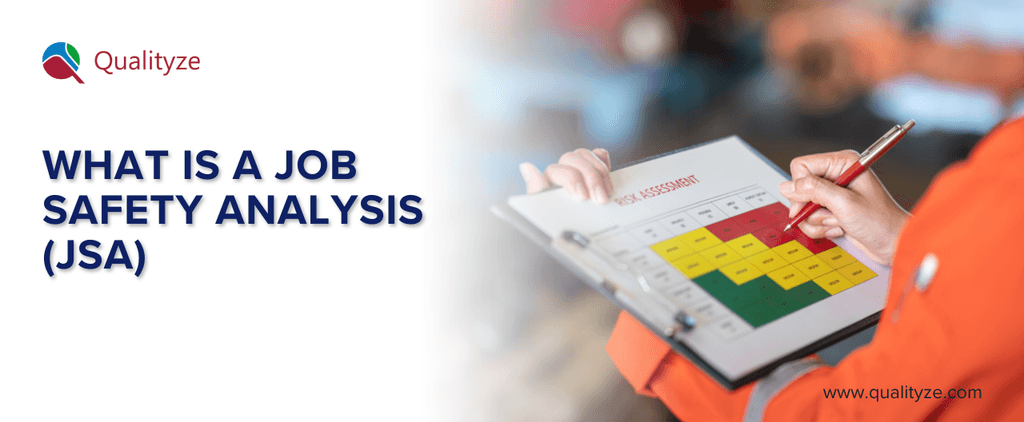
Job Safety Analysis (JSA) is a systematic process used to identify workplace hazards and implement controls to prevent accidents a...
The FDA offers two primary pathways for medical device approval: 510(k) and Premarket Approval (PMA). While the 510(k) pathway foc...

Preventing non-conformances in quality management is essential to maintain product quality, ensure compliance, and reduce operatio...
In the pharmaceutical industry, even minor anomalies aren’t just warning signs they become immediate triggers for compliance actio...

A quality investigation report is a formal document that narrates the step-by-step inquiry into a specific quality event—whether t...

IEC 62304 is an international standard that defines the software lifecycle requirements for medical device software. It ensures th...